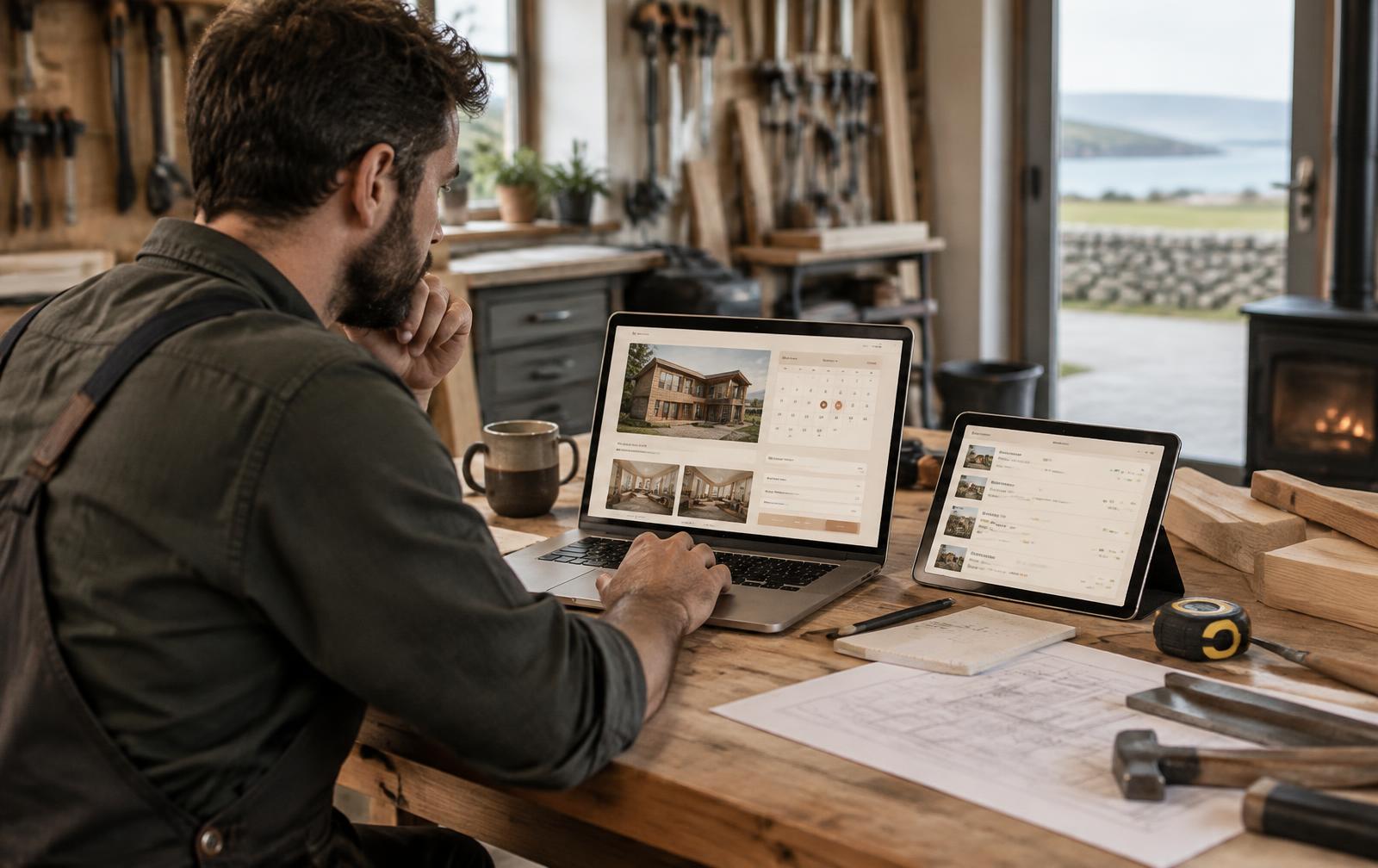
Once upon a time, a company built a website.
And then the real work started.
A booking tool from one provider. A ticketing system from another. A customer database somewhere else. And a prayer that the integrations do not break.
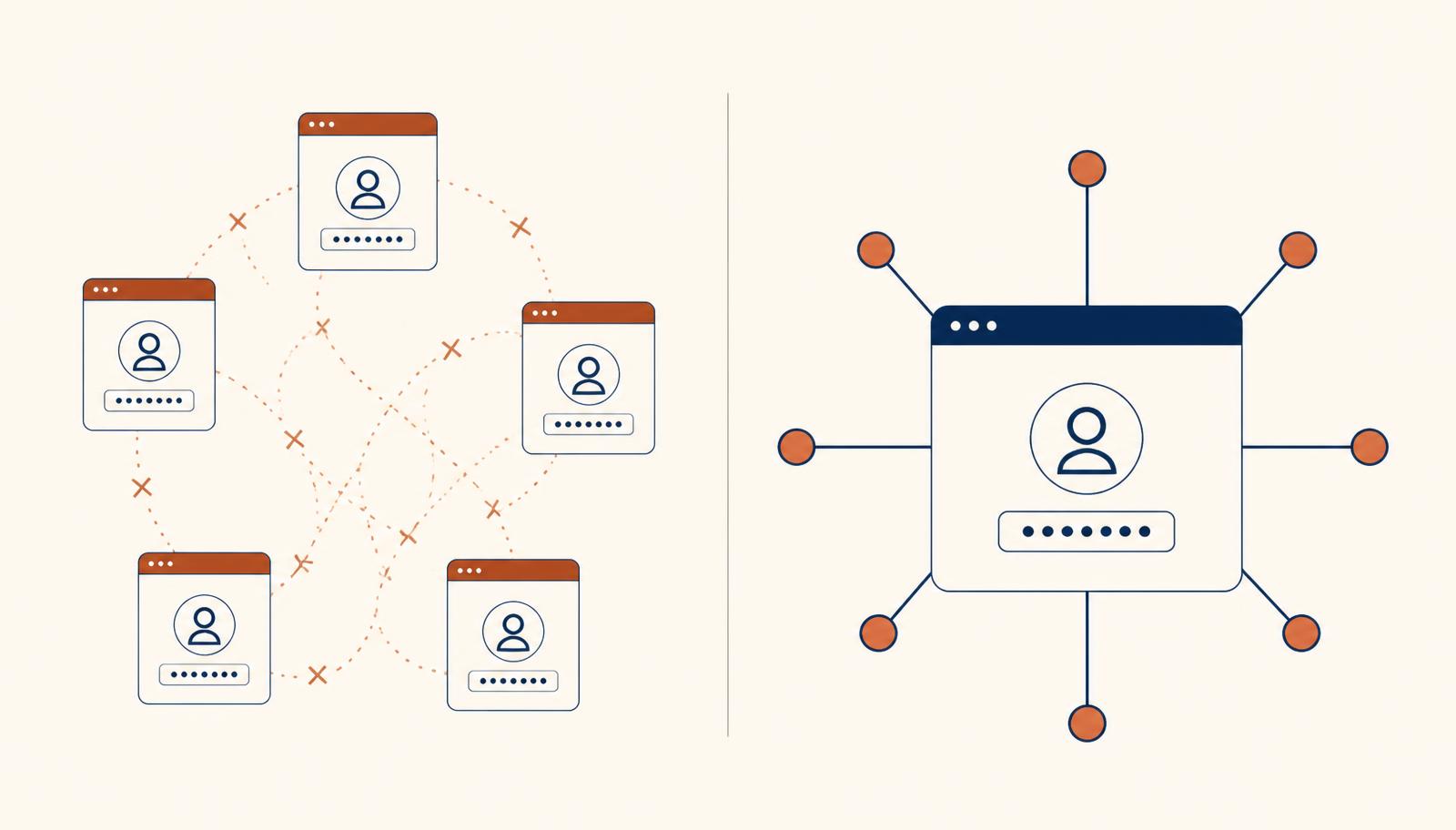
In the best case, all of it was connected to the website. Often though: five systems, five logins, five monthly invoices, and none of them really talking to each other.
The hidden cost of a stack nobody designed
Nobody sits down and decides to run their business across five providers. It happens one problem at a time. Bookings were urgent, so a booking tool got bought. Enquiries were piling up, so a ticketing tool got bought. Someone needed a customer list, so a spreadsheet became a database by accident.
Every one of those decisions was reasonable on its own. Together they create a business where no single system knows the full story of a customer, and where the person who understands the joins is usually the busiest person in the company.
The invoices are the visible cost. The real cost is the copying, the reconciling, and the quiet decisions made on incomplete information.
What changed
Building custom software used to mean a long project, a large budget and a team. That maths ruled it out for most small and medium businesses, so they rented other people's software instead and accepted the seams.
Vibe coding changes the maths. You describe the outcome you actually want, in your own language, and the working application gets built and refined with you in days rather than quarters. It is still real code, on a real database, with real permissions. What has collapsed is the cost of getting from idea to something your team can click.
That means a booking flow shaped around how you actually take bookings. A portal that shows a client exactly what they are allowed to see. An admin view built for the two people who use it every day, not for a generic market of thousands.
The website stops being the destination
Here is the shift I think defines 2026.
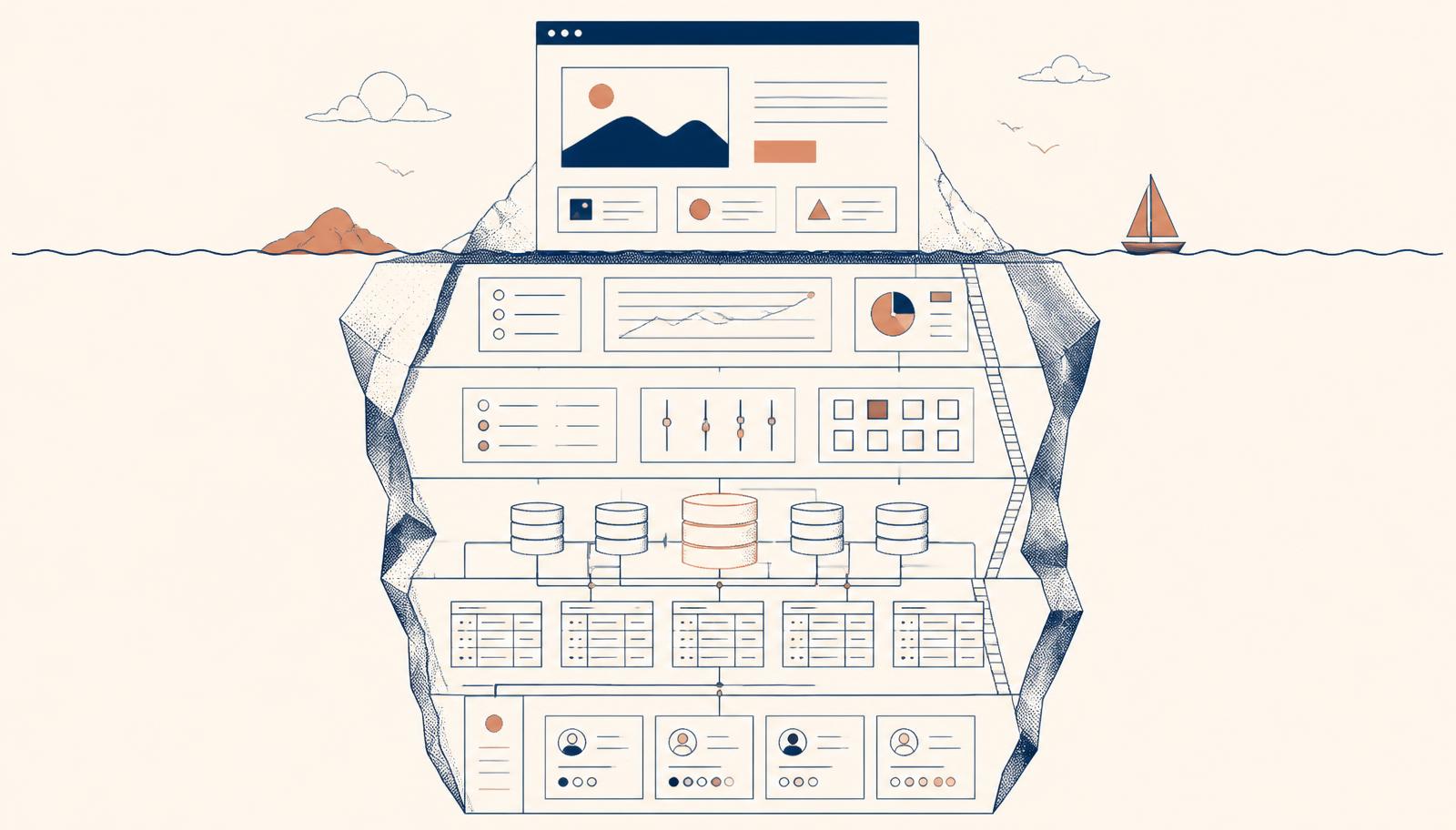
The website stops being the thing you connect everything to. It becomes the thing you build everything from.
Customer portals. Backends. Booking systems. Ticketing systems. They no longer need to be disconnected tools that may or may not sync with everything else. They can be built directly from the source: your website.
One system. One login. One place where your website, your business and your customers connect.
A quick reality check
Are you curious if this could work for your business?
Tell me what your five systems are. I will tell you honestly which ones could live in one place and which ones are worth keeping.
From here
Not sure where your own setup stands?
Send a sentence about what you are trying to fix or connect. Kris reads every one and answers plainly.
What this looks like in practice
A few patterns we build most often, all sitting on the same foundation as the public website:
- Booking and scheduling that writes straight into your own customer records, so a repeat client is recognised as a repeat client
- Customer portals where clients log in to see orders, documents, progress or invoices without emailing anyone
- Internal admin panels where your team updates prices, content, stock or statuses without touching a developer
- Configurators and quoting tools that turn a complicated product into a guided path and a qualified enquiry
- Ticketing and enquiry handling with the history attached to the customer, not scattered across inboxes
None of these are exotic. What is new is that a business with eight people can now own them outright instead of renting five approximations of them.
The honest limits
This is not an argument for rebuilding everything. Accounting stays in accounting software. Payments stay with a payment provider. Email stays with a proper email platform. Those are solved problems with regulation and scale behind them.
The things worth owning are the ones that are specific to how your business actually works. That is exactly where off the shelf tools force you to compromise, and exactly where a custom build pays back.
There is also a discipline question. Software that is fast to build is also fast to sprawl. The value comes from deciding what the system is for before enjoying how quickly it appears.
So, wishful thinking or a real vision?
Ask the businesses already running this way. One login. One database. One place where the website, the business and the customers meet.
Your website is no longer your digital ID card. It is the visible part of a much bigger system working behind it.
If you are paying for five tools that do not speak to each other, that is not a technology problem you have to accept. It is a design decision waiting to be made.